IMPACT
Our Growing Impact
TAF's legacy is reflected in enduring investments in worship, healthcare and education, alongside years of educational assistance, scholarships, humanitarian support, pastoral outreach and community service made possible through personal sacrifice and the generosity of friends, partners and supporters.
8000+
People with access to
Rural Healthcare
184+
Children enrolled in school
500+
Worshippers
IMPACT
Our Impact
Changing lives, one act of kindness at a time. Behind every initiative is a person, a family, or a community whose future has been touched by hope. Discover the stories, partnerships, and measurable impact that continue to shape our growing legacy.
Agber-Abenga Health Centre
Location: Agber-Abenga, Benue State, Nigeria
Established: Approximately 17 years ago
Donated: 2021
Immediate catchment population: approximately 8,000 people.
Wider surrounding population potentially served: more than 20,000 people.
Present ecclesiastical jurisdiction: Catholic Diocese of Gboko. The Agber-Abenga Health Centre was built and equipped in response to an urgent and enduring rural need: access to healthcare close to home. Situated in a remote area, the facility became the principal healthcare centre serving Agber-Abenga and several neighbouring villages. For many residents, particularly children, expectant mothers, older persons, and vulnerable families, it offered the nearest opportunity to receive basic medical attention.publication as an audited impact statistic.
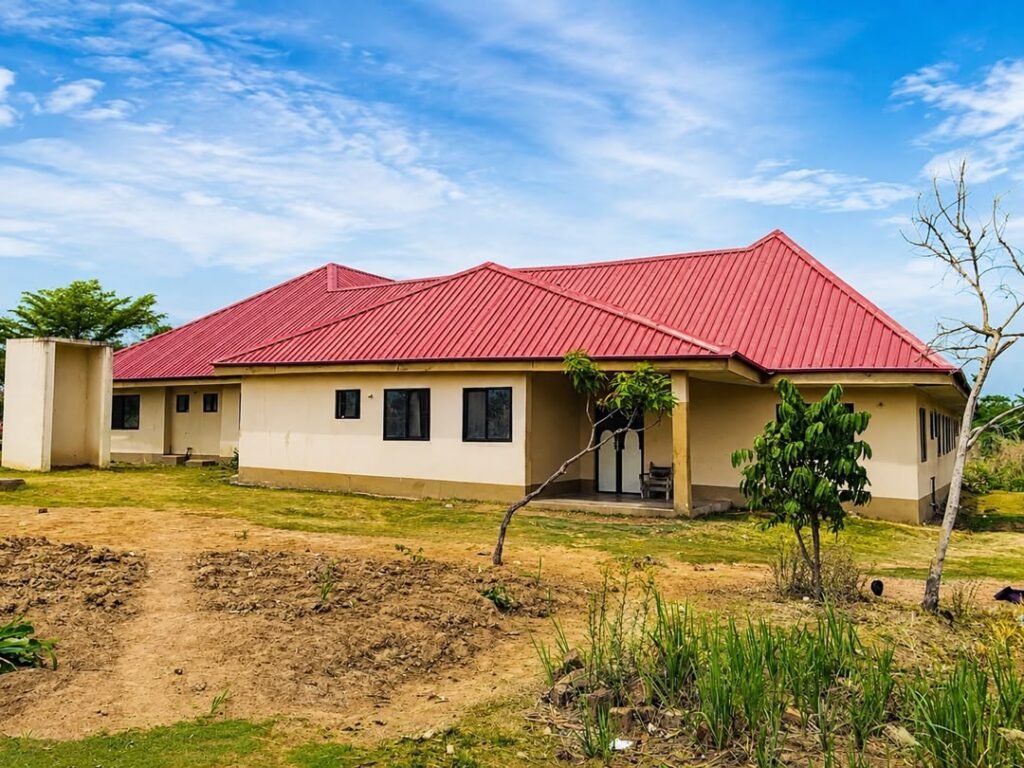
The Need: Before the centre was established, residents often had to travel considerable distances to seek treatment. Poor roads, transport costs, poverty, and delays in reaching medical care placed lives at risk and discouraged families from seeking help early. A minor illness could become severe before treatment was obtained. Pregnant women, young children, and elderly residents were especially vulnerable.
TAF’s Intervention: Through the Founder’s personal initiative and the generosity of people who believed in the vision, TAF:· constructed the health-centre building;· provided initial equipment and essential facilities;· created a permanent healthcare presence within the community;· made the facility available for the service of surrounding villages. Upon completion, the centre was donated to the Catholic Diocese of Gboko that was then under the Diocese of Makurdi for continued administration and community use.
Community Significance: For approximately seventeen years, the health centre has stood as a symbol of hope in an area where healthcare options remain limited. It was established to support:· basic primary healthcare;· maternal and child welfare;· early medical attention;· health education;· referral of serious cases;· reduced travel time and expense for rural families.Based on local estimates, the centre lies within a catchment area of more than 3,000 people. This figure should be formally confirmed through community and health records before
Ray of Hope Academy, Abenga - Mbausu
Location: Mbausu, Benue State, Nigeria
Established: 2014
Current enrolment: Approximately 184 pupils
Teaching staff: 21
Non-teaching staff: 11Ray of Hope Academy was established in 2014 to provide children in Mbausu and surrounding rural communities with access to structured, inclusive, and purposeful education. The Academy serves learners at nursery, primary, and secondary levels and was developed as more than a conventional school. It was conceived as a place where children—regardless of family income or social background—could receive academic instruction, moral formation, practical skills, and the confidence to imagine a better future.
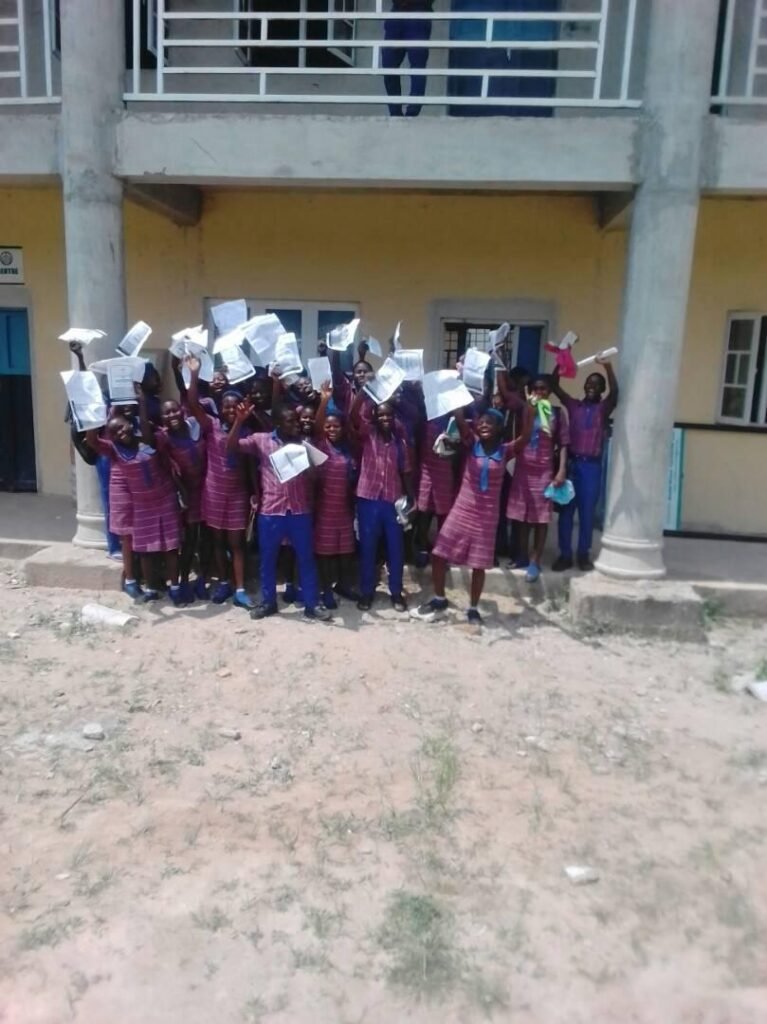
The Need: Before the establishment of the Academy, many families in the area faced serious barriers to education. Distance, poverty, inadequate facilities, and the cost of schooling placed quality education beyond the reach of numerous children. For some families, sending a child to school required difficult sacrifices. For others, continued education appeared almost impossible.
TAF’s Intervention: Through the personal efforts of the Founder and the support of friends, loved ones, and individuals who shared his vision, TAF developed a comprehensive educational facility that includes:· nursery, primary, and secondary classrooms;· science laboratories;· a library;· a skills-acquisition centre;· separate hostels for boys and girls;· a modern multipurpose hall;· facilities supporting academic, residential, and community life.TAF also carried much of the financial and material responsibility required to establish and sustain the school during its formative years. The Academy was subsequently donated to the Catholic Diocese of Gboko for its continued administration and for the lasting benefit of the host communities.
A Growing Educational Legacy: Since its establishment, many pupils have completed different stages of their education at Ray of Hope Academy. Former students have progressed to tertiary institutions, including universities and other higher educational establishments, where they have pursued studies in various professional and academic disciplines. Some have completed their programmes and graduated with commendable results. Their journeys represent the deeper meaning of the project: a rural child given access to education can become a graduate, a professional, a community leader, and a source of hope to others.
Ray of Hope Academy was built not only to provide classrooms, but to open doors that poverty and distance had kept closed.
Ivenge Community Church
(Built with name of St. Gabriel’s but Changed to the Church of Epiphany upon becoming a Rectory)
Location: Ivenge Community, Vandeikya Local Government Area, Benue State, Nigeria
Completed and dedicated: 2003
Original seating capacity: Approximately 500 worshippers
Originally handed over to: The Catholic Diocese of Makurdi
Present ecclesiastical jurisdiction: Catholic Diocese of Gboko In 2003, a fully built and furnished church was dedicated, commissioned, and handed over for the spiritual and pastoral service of the people of Ivenge. The church was constructed through the personal efforts of the Founder and the generosity of friends, loved ones, and individuals who believed that a rural faith community deserved a dignified and permanent place of worship.
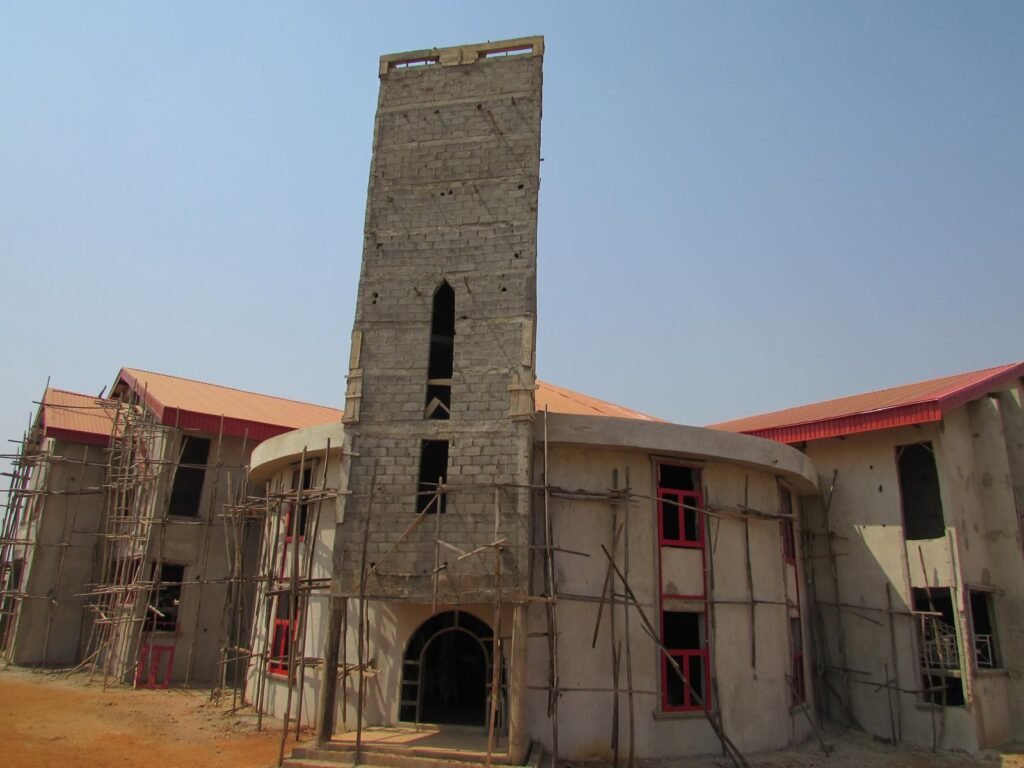
More Than a Building - The church became:· a place of worship and prayer;· a centre for sacramental and pastoral life;· a gathering place for families;· a setting for faith formation;· a symbol of unity and hope within the community.For many years, it served the people not simply as a physical structure, but as their spiritual home.