PROGRAMMES AND PROJECTS
Our Legacy of Personal Sacrifice
Torjir-Agber Foundation (TAF) transforms generosity into practical and enduring service. The principal projects associated with TAF were not originally financed by major international donor agencies, its projects have grown largely from the personal efforts of the Founder and the voluntary support of friends, loved ones, and individuals who believe in the vision. Rather than waiting for institutional funding, they chose to act, building places of worship, education, healthcare, and community support where they were most needed. Upon completion, major community projects were donated to the Catholic Diocese of Gboko for the continued benefit of their host communities.
What began through the generosity of a few can become a lasting movement of hope through the partnership of many.
Completed Initiatives
01. Ray of Hope Academy
From a Rural Vision to Generations of Opportunity
-Abenga, Mbausu
Established: 2014
Current enrolment: approximately 184 pupils
Teaching staff: 21
Non-teaching staff: 184+ pupils learning today
21 teaching staff
11 non-teaching staff
Established in 2014
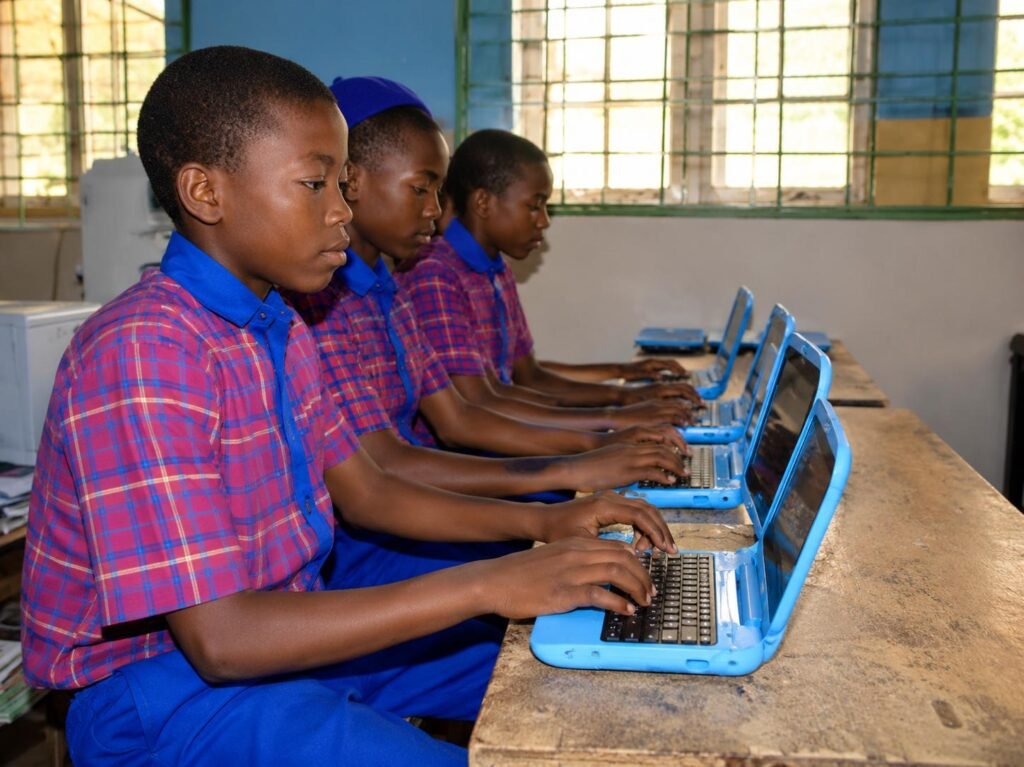
Ray of Hope Academy was established in 2014 to provide children in Mbausu and surrounding rural communities with access to structured, inclusive, and purposeful education. The Academy serves learners at nursery, primary, and secondary levels and was developed as more than a conventional school. It was conceived as a place where children—regardless of family income or social background—could receive academic instruction, moral formation, practical skills, and the confidence to imagine a better future.
The Need: Before the establishment of the Academy, many families in the area faced serious barriers to education. Distance, poverty, inadequate facilities, and the cost of schooling placed quality education beyond the reach of numerous children. For some families, sending a child to school required difficult sacrifices. For others, continued education appeared almost impossible.
TAF’s Intervention: Through the personal efforts of the Founder and the support of friends, loved ones, and individuals who shared his vision, TAF developed a comprehensive educational facility that includes:
- nursery, primary, and secondary classrooms;
- science laboratories;
- a library;
- a skills-acquisition centre;
- separate hostels for boys and girls;
- a modern multipurpose hall;
- facilities supporting academic, residential, and community life.
TAF also carried much of the financial and material responsibility required to establish and sustain the school during its
formative years. The Academy was subsequently donated to the Catholic Diocese of Gboko for its continued administration and for the lasting benefit of the host communities.
Present Opportunity: Like many community institutions, the Academy continues to face pressures relating to maintenance, educational materials, staffing support, boarding facilities, laboratory equipment, digital learning, and assistance for disadvantaged pupils. These needs do not diminish what has been achieved. They reveal the importance of protecting and strengthening an educational legacy that has already changed many lives.
02. Agber-Abenga Health Centre
-Benue State, Nigeria
Location: Agber-Abenga, Benue State, Nigeria
Completed and Donated: 2021
Estimated population served: More than 20,000 people across Agber-Abenga and neighbouring communities.
Immediate catchment population: approximately 8,000 people
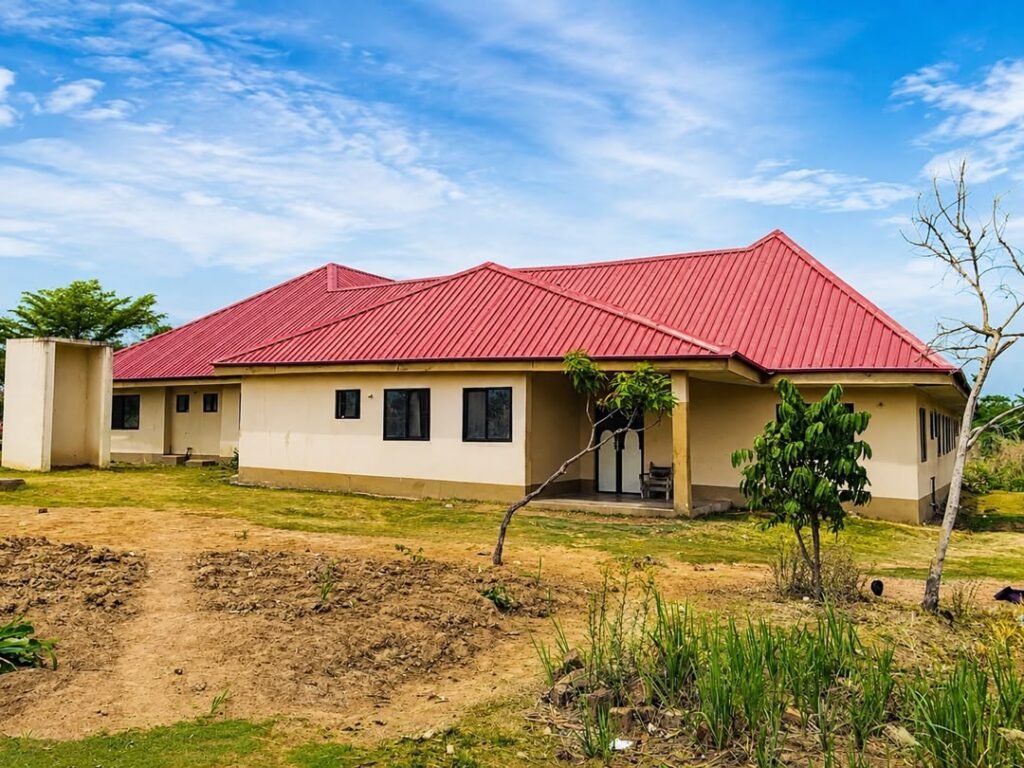
The Agber-Abenga Health Centre was built and equipped in response to an urgent and enduring rural need: access to healthcare close to home. Situated in a remote area, the facility became the principal healthcare centre serving Agber-Abenga and several neighbouring villages. For many residents, particularly children, expectant mothers, older persons, and vulnerable families, it offered the nearest opportunity to receive basic medical attention.
The Need for Renewal: Years of use, limited local resources, changing service demands, and the high cost of maintaining rural healthcare infrastructure have created an urgent need for rehabilitation and renewed support. The present priority is not to assign blame, but to protect a life-saving community asset and restore it to a standard worthy of the people it was built to serve.
03 . Ivenge Community Church
-Benue State, Nigeria
Location: Ivenge Community, Vandeikya Local Government Area, Benue State, Nigeria
Completed and dedicated: 2003
Original seating capacity: Approximately 500 worshippers
Originally handed over to: The Catholic Diocese of Makurdi
Present ecclesiastical jurisdiction: Catholic Diocese of Gboko
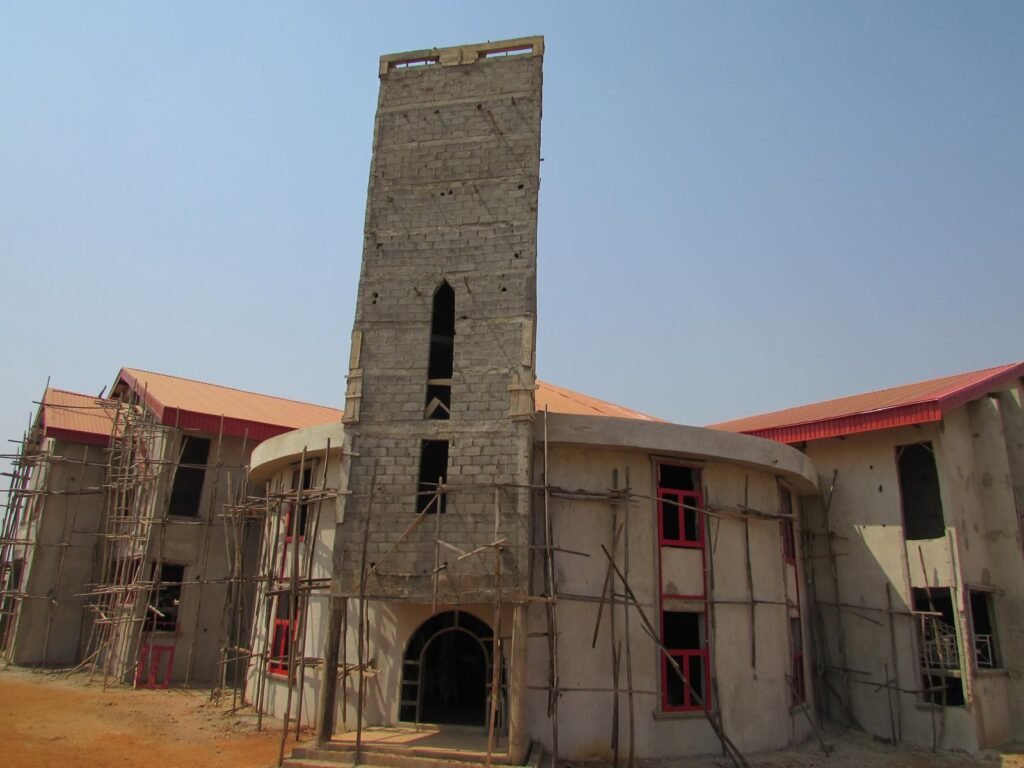
In 2003, a fully built and furnished church was dedicated, commissioned, and handed over for the spiritual and pastoral service of the people of Ivenge. The church was constructed through the personal efforts of the Founder and the generosity of friends, loved ones, and individuals who believed that a rural faith community deserved a dignified and permanent place of worship.
More Than a Building - The church became: a place of worship and prayer; a centre for sacramental and pastoral life; a gathering place for families; a setting for faith formation; a symbol of unity and hope within the community. For many years, it served the people not simply as a physical structure, but as their spiritual home.
The 2023 Ivenge Church Windstorm Disaster
In 2023, the church suffered severe damage during a destructive windstorm. A substantial part of the roof was torn away, leaving the structure unsafe and unsuitable for normal worship.
Because the community is predominantly rural and economically disadvantaged, parishioners were unable to undertake the full reconstruction required. In an act of faith and resilience, members salvaged available aluminium roofing sheets and used them to construct a temporary open-sided worship shelter (a temporary makeshift worship shelter). They continue to gather there despite exposure to weather, limited comfort, and inadequate protection.
The wind damaged their church, but it did not destroy their faith. Today, they need partners who will help them rebuild the sacred home they have refused to abandon.
EDUCATION AND SCHOLARSHIP SUPPORT
-Opening Doors. Nurturing Potential. Building Futures.
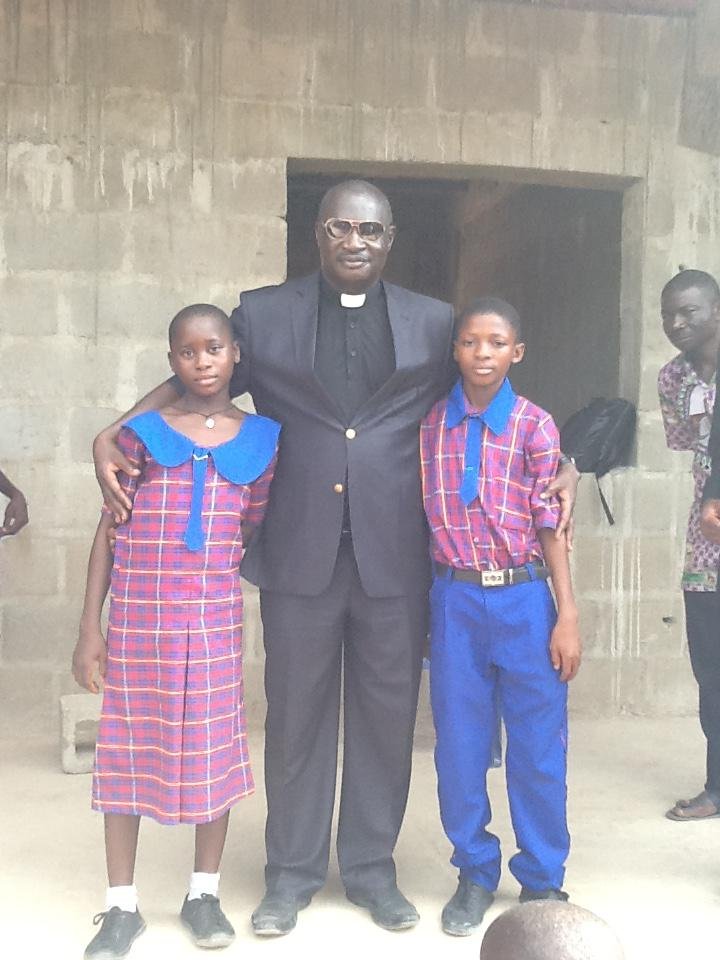
Torjir-Agber Foundation (TAF) believes that no child’s future should be determined by poverty, bereavement, displacement, disability, or limited access to opportunity. Through its educational-support initiatives, the Foundation has assisted deserving children and young people from disadvantaged backgrounds to remain in school, continue their studies, and pursue their aspirations with renewed confidence. TAF’s scholarship support is guided by need, fairness, dignity, and accountability. Beneficiaries are considered without discrimination based on ethnicity, religion, gender, state of origin, or social status.
How the Scholarship Programme Works:
Potential beneficiaries may be identified through schools, families, community leaders, clergy, trusted volunteers, or Foundation representatives. Each case is assessed carefully through: confirmation of financial need; review of school records and academic progress; consultation with parents, guardians, teachers, or community representatives; verification of the child’s personal and family circumstances; home or community visits where appropriate; consideration of conduct, attendance, commitment, and potential.No scholarship is awarded solely because of personal connection or influence. Every decision is intended to ensure that limited resources reach children facing genuine disadvantage.
WOMEN’S ECONOMIC EMPOWERMENT AND FAMILY SUSTAINABILITY
-Empowering Women. Strengthening Families. Educating Children.
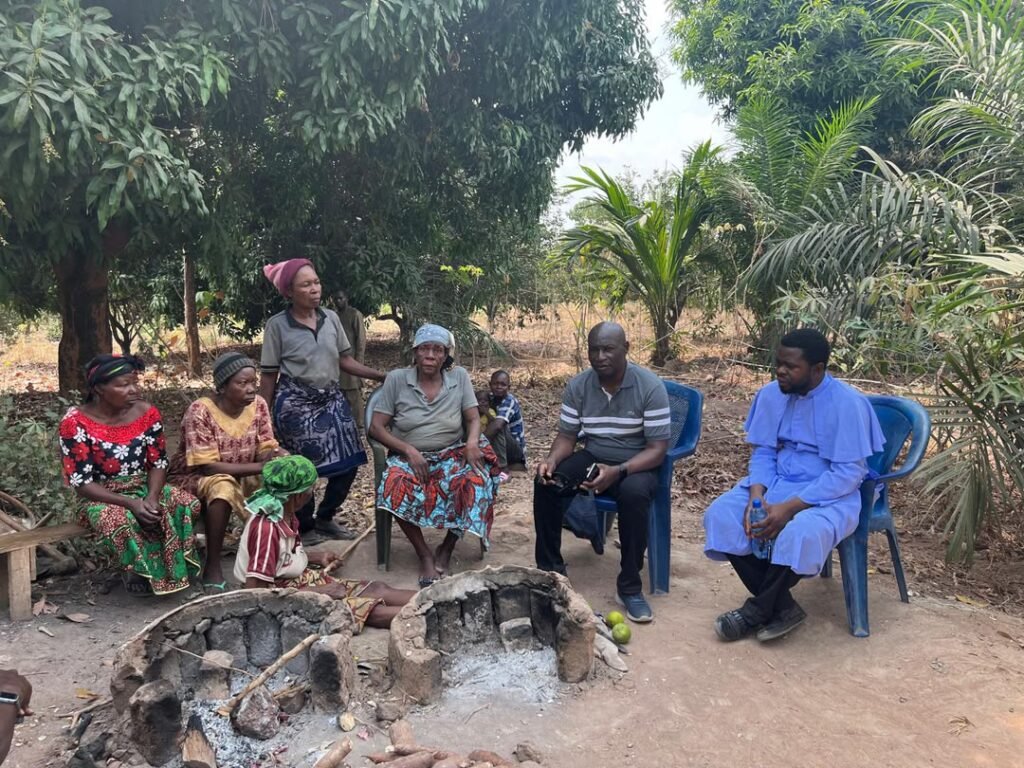
TAF recognises that supporting a vulnerable child often begins with strengthening the woman responsible for that child’s daily care. In many underserved communities, widows and economically disadvantaged mothers carry the responsibility of feeding their families, paying school fees, meeting healthcare needs, and raising children with little or no reliable income. In response, the Foundation has supported women in selected communities, including Mbausu in Vandeikya Local Government Area, Dutse-Alhaji, and Pasali-Kuje, with the aim of helping them develop sustainable livelihoods, care for their families, and keep their children in school.
The Challenge:
Many widows and vulnerable mothers face overlapping difficulties: loss of a spouse or principal source of income; limited access to employment; little or no start-up capital; responsibility for several children; rising school and healthcare costs; exclusion from formal financial services; vulnerability to exploitation and extreme poverty. Without practical support, these pressures can lead to children leaving school, poor nutrition, unstable housing, and long-term dependence.
Your Support Can Help a Woman Rebuild Her Livelihood and Protect Her Children’s Future.
WOMEN’S ECONOMIC EMPOWERMENT AND FAMILY SUSTAINABILITY
-Empowering Women. Strengthening Families. Educating Children.
TAF recognises that supporting a vulnerable child often begins with strengthening the woman responsible for that child’s daily care. In many underserved communities, widows and economically disadvantaged mothers carry the responsibility of feeding their families, paying school fees, meeting healthcare needs, and raising children with little or no reliable income. In response, the Foundation has supported women in selected communities, including Mbausu in Vandeikya Local Government Area, Dutse-Alhaji, and Pasali-Kuje, with the aim of helping them develop sustainable livelihoods, care for their families, and keep their children in school.
The Challenge:
Many widows and vulnerable mothers face overlapping difficulties: loss of a spouse or principal source of income; limited access to employment; little or no start-up capital; responsibility for several children; rising school and healthcare costs; exclusion from formal financial services; vulnerability to exploitation and extreme poverty. Without practical support, these pressures can lead to children leaving school, poor nutrition, unstable housing, and long-term dependence.
Your Support Can Help a Woman Rebuild Her Livelihood and Protect Her Children’s Future.